Yellow Floral Kurti Styling & Sewing Ideas: Ethnic Wear DIY
Style and sew yellow floral kurtis: flattering cuts, fabric choices, easy DIY sewing tips and festive outfit pairings.

In this guide
This sunny yellow floral kurti is easy to love, and easy to make. The silhouette is flattering on everyone, the print is pure sunshine, and it is one of the simplest ethnic garments to sew at home.
Why the kurti works
A straight-cut kurti skims without clinging, suits every body type, and moves effortlessly from college to Eid dinners. The knee-length or just-below cut is the most versatile — modest, modern, and endlessly pairable.
Choosing the fabric
For summer florals, pick lawn, cambric or soft cotton — breathable and easy to sew. A medium-weight fabric holds the A-line shape; very thin fabric needs lining at the bodice. Pre-wash everything before cutting.
Simple sewing roadmap
A basic kurti is four pattern pieces: front, back, two sleeves. Trace an existing well-fitting kurti instead of drafting from scratch — it is the fastest path to a perfect fit. Finish necklines with bias binding for a clean professional edge.
Styling the finished kurti
Pair with white straight trousers and nude flats for daytime, or cigarette pants and jhumkas for evening. A contrasting dupatta in pink or green pulls a secondary color from the print and completes the festive look.
Make it yours
Add side slits for movement, three-quarter sleeves for practicality, or delicate lace at the hem for dressier versions. Small customizations are what make DIY kurtis look designer.
Measurements you need before cutting
If you're drafting rather than tracing, take these six measurements over light clothing: bust, waist, hip, shoulder width, armhole depth and your desired length (shoulder to hem). Add 5–7 cm of ease to bust and hip for a comfortable straight kurti, and 1.5 cm seam allowance on every edge. Write the numbers on the pattern pieces so you can reuse them.
Fabric amounts (approximate)
For a knee-length kurti with three-quarter sleeves, you'll need about 2.25–2.5 m of 110 cm-wide fabric, or 1.75 m if the fabric is 150 cm wide. Add 0.5 m if you want a matching lining for the bodice, and 2.25 m for a dupatta. Buy a little extra for directional floral prints, which need all pieces cut facing the same way.
Beginner sewing tips
Stay-stitch the neckline right after cutting so it doesn't stretch. Sew the shoulder seams first, attach the sleeves flat, then sew each side seam and sleeve in one line. Press every seam as you go; it makes homemade clothes look shop-bought. Finish side slits with a narrow double-folded hem and a bar tack at the top for strength.
Questions readers ask
Is a kurti easy to sew for beginners?
Yes. A straight kurti has only four main pieces and no zips, which makes it one of the best first garments.
Which fabric is best for a summer kurti?
Lawn, cambric and soft cotton are breathable, easy to cut and hold their shape well.
How do I style a yellow kurti?
Pair it with white trousers and nude flats for day, or add gold jhumkas and a pink or green dupatta for festive occasions.
Pin it for later or send it to a friend
Read next
 Fashion
What to Wear to a Christmas Party in 2026: 8 Outfit Formulas for Every Invite
Christmas party outfit ideas for 2026: sequins, velvet, satin skirts and blazers in emerald, ruby and champagne, plus modest options and what to wear for each dress code.
 Fashion
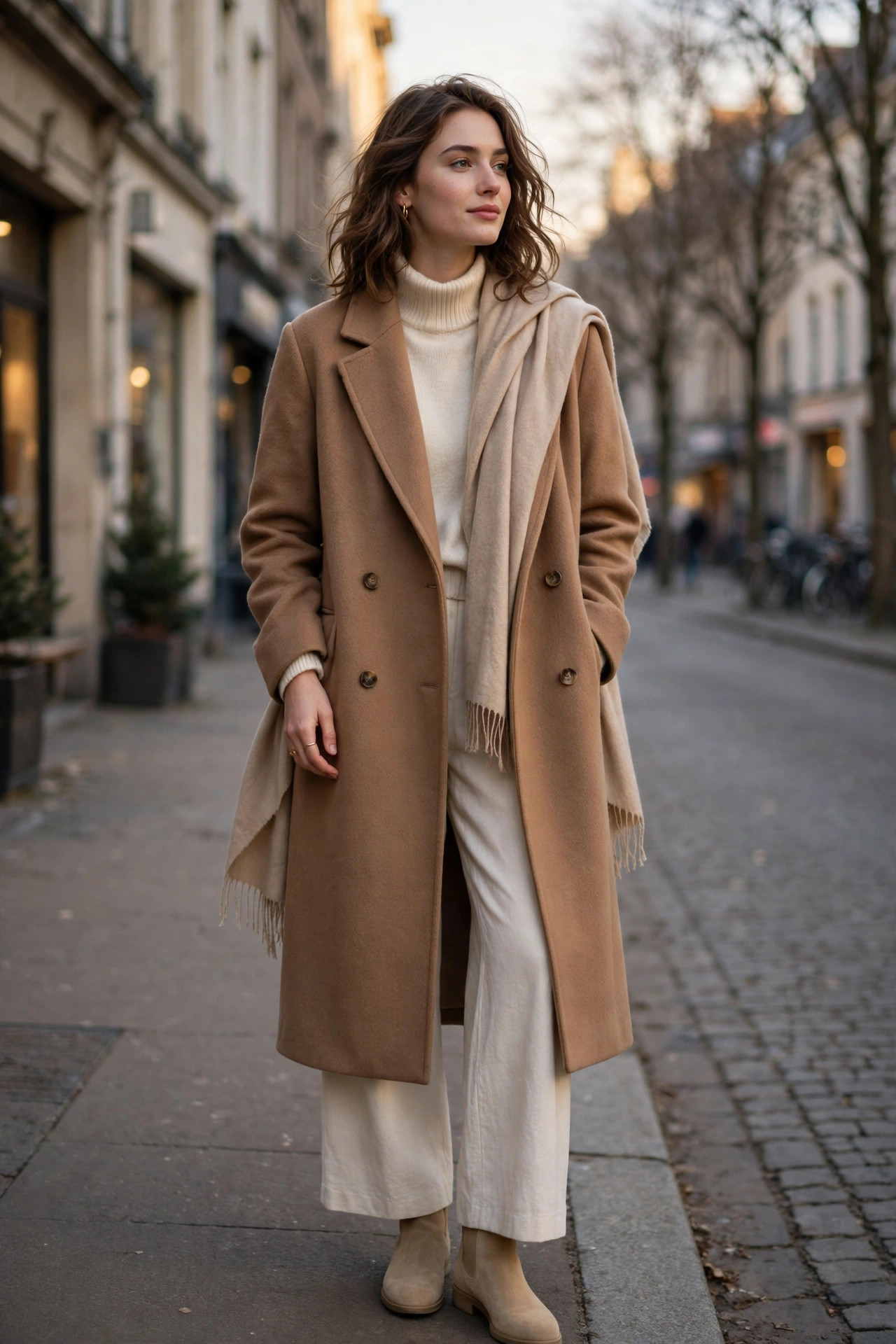
Long Coats & Cosy Layers: The Winter 2026 Outfit Formula Girls Are Saving
The long coat is winter 2026's most flattering layer — one long woolen coat, one high neck and one soft shawl, layered in warm neutrals that go with everything you already own.
 Fashion
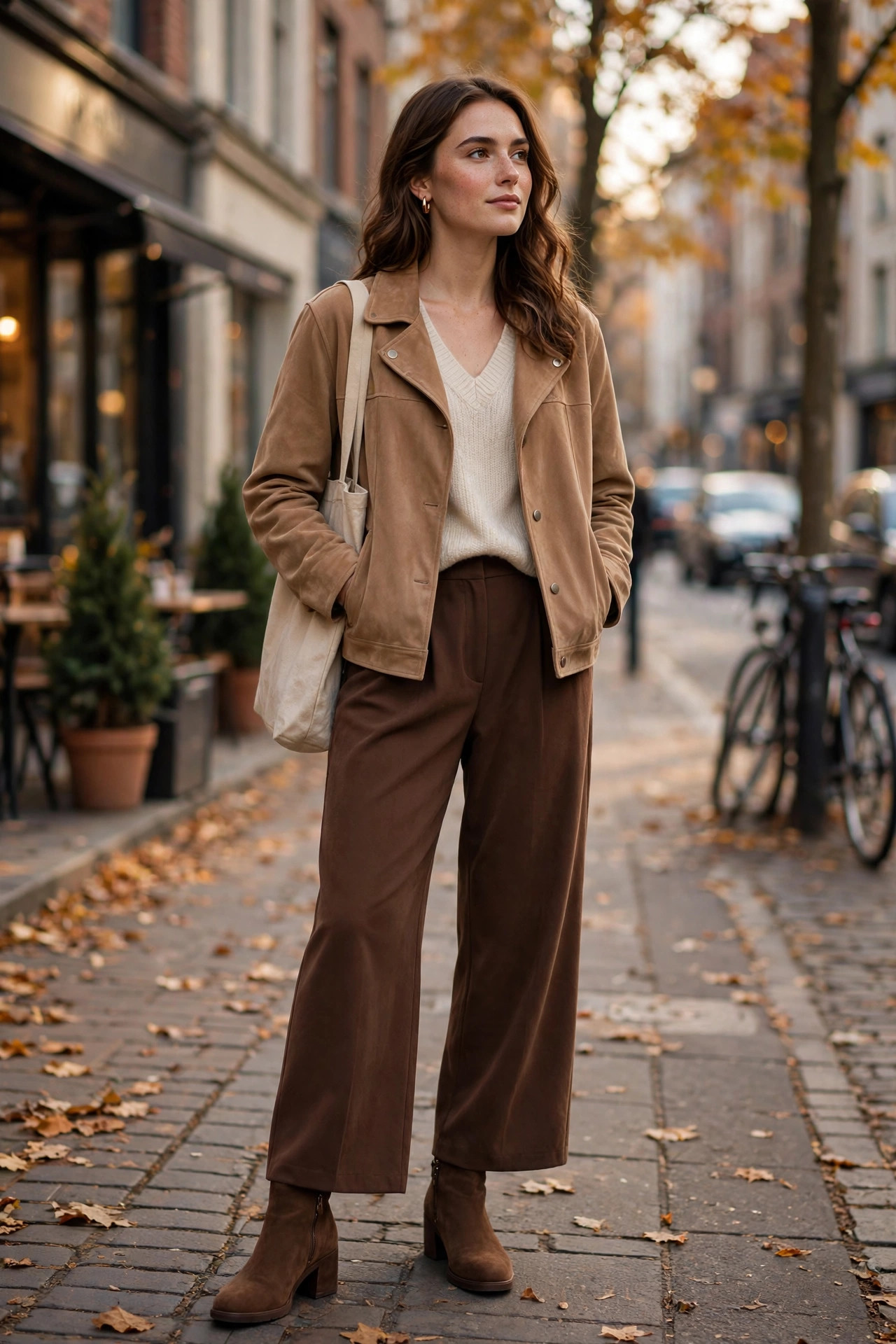
Camel Suede + Chocolate Brown: Winter 2026's Softest Layering Formula
Camel suede is winter 2026's softest layering hero: a suede jacket over a cream knit with chocolate brown trousers — warm, polished and easy to wear every day.